
When it comes to vinyl signage, South Africa’s climate presents unique challenges. From harsh UV exposure to material incompatibility, even small missteps can shorten the lifespan of your graphics. In this post, we’ll unpack some of the most common vinyl failures seen across the country — and share practical steps to help you avoid them.
1. UV Degradation & Fading
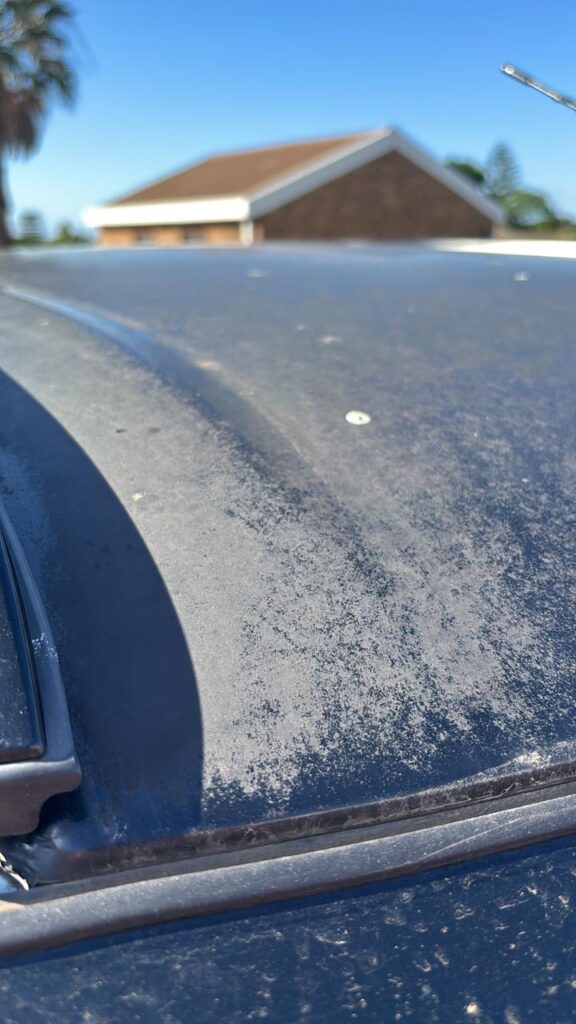
South Africa falls within a Zone 3 UV climate, meaning that sunlight exposure here is among the most intense in the world. What this means for your signage is simple: vinyl doesn’t last as long here as it does in milder regions.
Horizontally installed signs — like on awnings or vehicle roofs — can lose 50–70% of their expected lifespan.
Vertical vinyl that may last up to 10 years in Europe can fade in just three years under our sun.
The takeaway? Even the best materials can degrade prematurely if not properly rated for UV resistance or installed without considering sunlight direction.
2. Layered Vinyl Failures from Material Incompatibility
A major cause of premature vinyl failure happens before the sign even goes up — when incompatible materials are combined.
Mixing different vinyl types or brands may seem harmless, but in reality, it’s a recipe for trouble.
Common Mistakes:
- Using a monomeric laminate over a polymeric base vinyl.
- Combining different brands with mismatched adhesive systems.
Monomeric vinyl is less stable and tends to shrink, crack, and harden over time. Polymeric vinyl, on the other hand, is more flexible and durable, designed for long-term applications.
When you apply a monomeric over a polymeric base, the top layer shrinks at a different rate, causing edge lifting, delamination, or curling.
Similarly, different brands use different adhesive chemistries (solvent-based, acrylic, permanent, removable, etc.). These may not bond well, causing:
- Peeling and bubbling
- Tunnelling between layers
- Discolouration or residue buildup
Each vinyl also expands or contracts differently with temperature, leading to wrinkling and peeling when mismatched.
How to Avoid Layering Failures
✔️ Match vinyl types — monomeric with monomeric, polymeric with polymeric
✔️ Use the same brand for all layers or laminates
✔️ Refer to manufacturers’ technical data sheets (TDS) or compatibility charts
✔️ For long-term signs, always use polymeric or cast vinyl
3. Adhesion Failures & Environmental Resistance
Now let’s look at one of the most visible issues in the field — vinyl peeling and tearing away from its substrate.
This kind of failure usually results from adhesion problems, UV exposure, or poor surface preparation.
Typical Causes:
- Protective Film Not Removed
Some vinyl films — like high-gloss roof wraps or paint protection films — come with a protective transport layer. This layer must be removed before installation. If left on, it prevents proper bonding and leads to early peeling and fading. - Sun Direction & Exposure
In South Africa:- North-facing signs degrade fastest.
- West-facing signs receive intense afternoon sun that accelerates fading.
Digital prints typically last around 3 years, while cut vinyl on flat surfaces can reach 3–5 years, depending on exposure.
- Calendared vs. Cast Vinyl
Calendared vinyl tends to shrink, crack, or lift sooner, especially on curves or body lines. Cast vinyl remains dimensionally stable and is better suited for long-term or curved applications. - Surface Preparation
The most preventable cause of failure! Dirt, grease, silicone, or other contaminants reduce adhesion, leading to curling and lifting. Proper cleaning is critical before application.
How to Prevent Adhesion Failures
✔️ Always request brand & material specs (TDS) — available at www.sytech.co.za or from your sales rep
✔️ Confirm laminate compatibility and UV rating
✔️ Position signs to face east or shaded directions when possible
✔️ Maintain signs regularly and clean with mild solutions (IPA mixed with water at 70–90%)
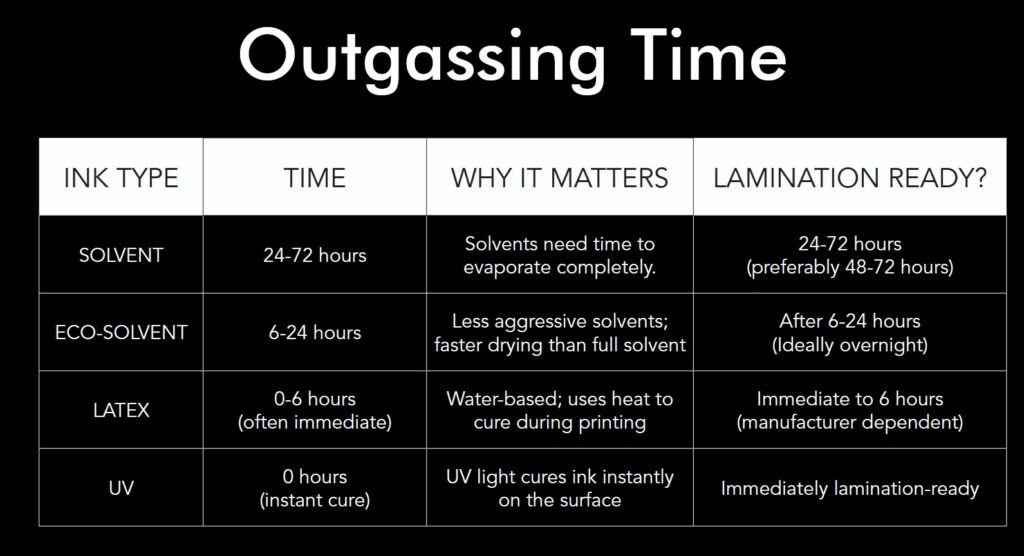
✔️ Allow printed vinyl to fully outgas before lamination or application (12–24 hours depending on print density)
✔️ Apply vinyl at optimal temperatures (18–24°C)
✔️ Use proper squeegee techniques to avoid trapped air
✔️ For tricky surfaces (powder-coated metals or low-energy plastics), use primers or adhesion promoters
DID YOU KNOW???
👉 The darker the print, the longer it needs to outgas.
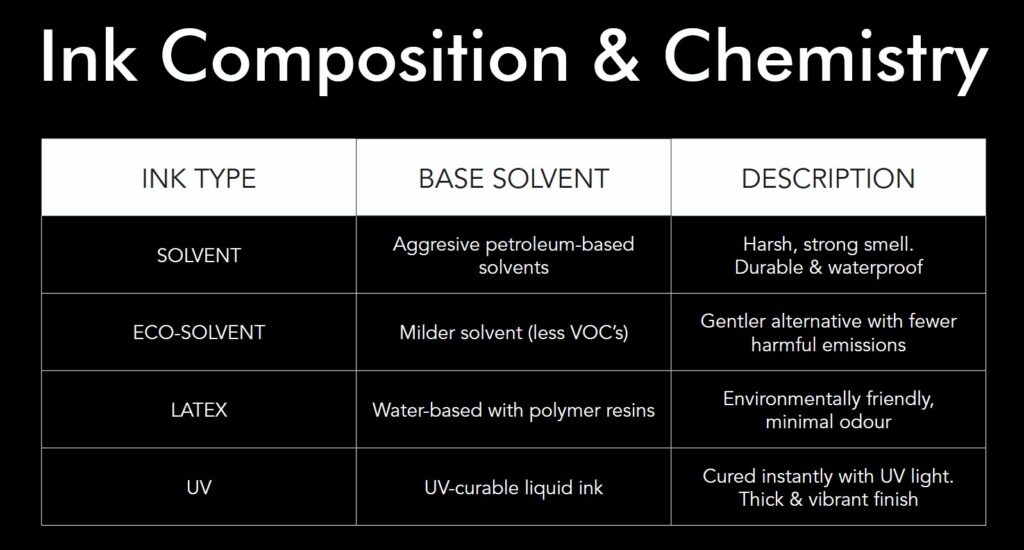
Even with latex printers — which cure ink with heat — heavy ink coverage can trap residual moisture or softness. Allowing prints to cool and rest for several hours helps prevent silvering, a hazy, bubble-like effect that appears under laminates.
A little patience at this stage prevents costly reprints and customer comebacks later.
Final Thoughts
South Africa’s environment is tough — high UV exposure, temperature extremes, and humidity all challenge vinyl longevity. But with proper material selection, correct pairing, and meticulous preparation, your signage can perform beautifully for years.
Remember: the best installers aren’t just skilled with a squeegee — they understand the science behind the media.

Leave a Reply